Why Professional Well Inspections Are Important When Buying a Home
November 18, 2026

November 18, 2026

Purchasing a home is a significant investment, and evaluating every major component is essential before completing the transaction. For homes that rely on private wells, understanding the water system's condition is especially important. These properties depend on privately maintained equipment to deliver water for everyday activities. Professional well inspections help buyers identify mechanical problems, evaluate water quality, and understand the condition of existing equipment. Scheduling professional well services before closing can reveal issues that might otherwise lead to unexpected expenses, health concerns, or water interruptions.


Understanding What a Well Inspection Includes


Evaluating the Physical Condition of the Well


A professional well inspection involves examining the structure and mechanical components responsible for delivering water. Inspectors evaluate the well casing, cap, surface seal, and surrounding area to identify damage or conditions that could allow contaminants to enter the supply. These evaluations help buyers determine whether the well is structurally sound or requires additional attention.


Examining Pumps and Pressure Equipment


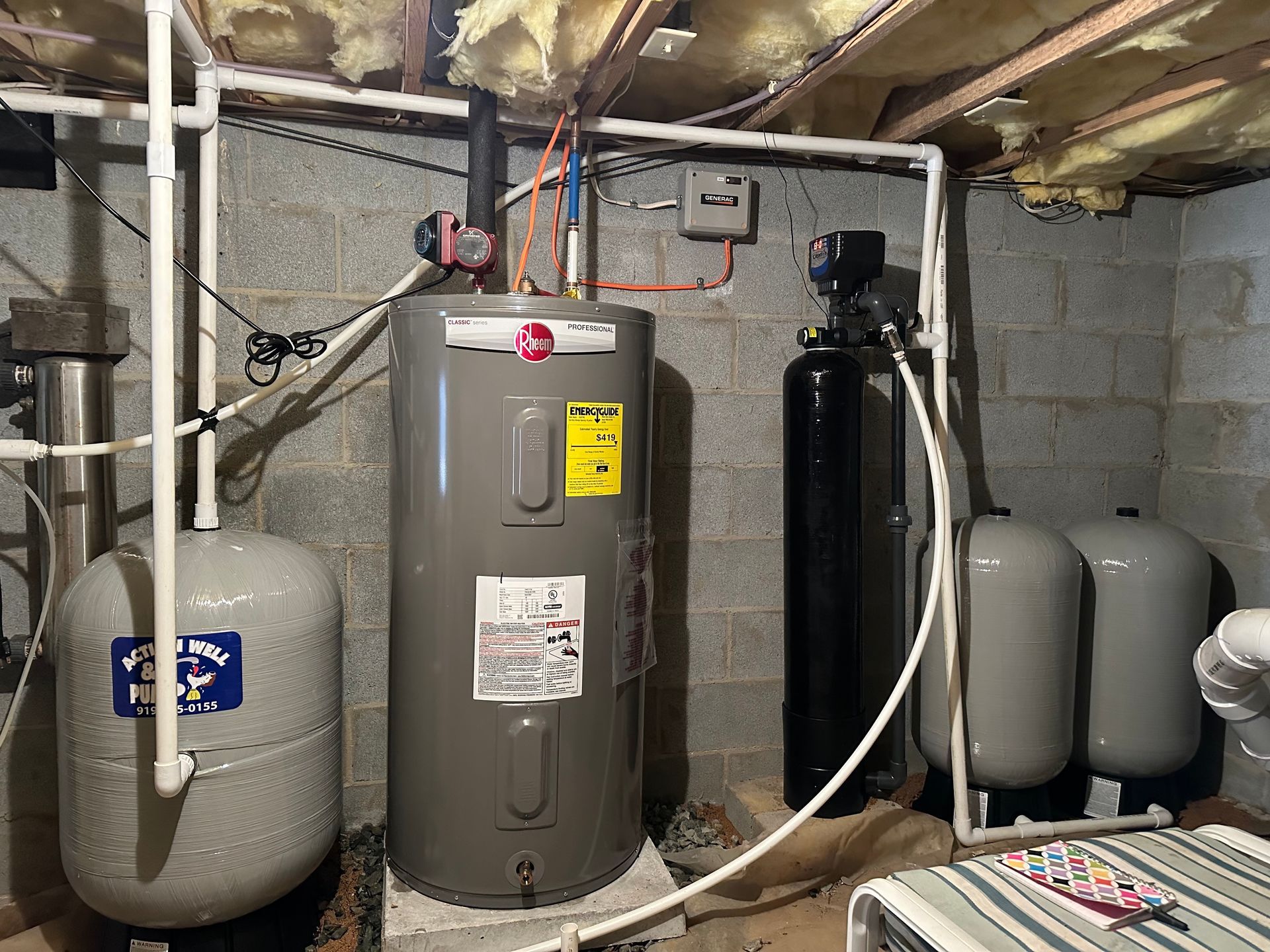
The well pump and pressure tank are essential components of a private water system. During an inspection, professionals assess pump operation, pressure readings, and overall performance to identify mechanical concerns. They may also examine the pressure switch and related equipment.


Equipment age is another important consideration. According to This Old House, well pumps typically last for 10-20 years, though their lifespan depends on factors such as construction quality, household usage, local climate, and the hardness of the aquifer. Knowing the pump's approximate age helps buyers anticipate future expenses. Professional well services can provide insight into whether existing equipment is suitable for continued use.


Testing Water Quality


Water quality testing is one of the most important parts of evaluating a private well. Clear water does not necessarily indicate that the supply is free from harmful contaminants. Testing can identify bacteria, nitrates, arsenic, lead, and other substances that may affect water safety.


Depending on the results, homeowners may need additional treatment equipment, such as filtration systems. Understanding the property's water quality gives buyers an opportunity to address concerns before moving in.


Recognizing Health and Safety Concerns


Identifying Potential Sources of Contamination


Private wells can be affected by agricultural runoff, nearby septic systems, industrial activity, and groundwater changes. Damaged well caps or improperly sealed casings can also allow contaminants to enter the water supply. Professional inspections help identify potential hazards around the property, including drainage concerns and nearby contamination sources.


Understanding the Effects of Unsafe Water


Contaminated drinking water can cause health problems ranging from gastrointestinal illnesses to complications associated with chemical exposure. Bacteria such as E. coli can cause acute illness, while elevated nitrate levels are particularly dangerous for infants. Certain heavy metals can also create health concerns with prolonged exposure.


Because many contaminants cannot be detected through taste, smell, or appearance, laboratory testing is essential. Professional well services can help homeowners determine which tests are appropriate and whether treatment may be necessary.


Reviewing Local Health and Safety Requirements


Well inspection and water testing requirements vary by state and local jurisdiction. Some areas establish specific testing standards for real estate transactions, while others regulate well construction and maintenance. Buyers should understand which requirements apply to the property and whether any compliance concerns need attention.


Reviewing inspection records, permits, and maintenance documentation can provide a clearer picture of the system's history. A qualified professional can identify issues requiring additional testing or corrective work before the property changes ownership.


Evaluating the Financial Impact of Well Conditions


Planning for Potential Repairs and Replacements


A well inspection can reveal mechanical problems that may require attention after the purchase. Depending on the findings, buyers could face expenses involving pump repairs, pressure tank replacement, damaged piping, or structural improvements. Identifying these concerns before closing helps buyers understand their potential financial responsibilities.


An aging pump that still operates may also be approaching the end of its expected service life. Knowing its approximate age allows homeowners to plan for replacement rather than being surprised by a breakdown. Professional well services can help determine which repairs require immediate attention and which improvements can wait.


Protecting Property Value


A dependable water supply is an important feature of properties that rely on private wells. Buyers may hesitate when the well's condition is uncertain or water quality records are unavailable. Conversely, documented inspections, test results, and maintenance records can provide reassurance about the system.


Addressing problems before listing or purchasing a home can make the property more attractive to prospective buyers. A well-maintained system demonstrates responsible property management and provides useful information about its condition.


Using Inspection Results During Negotiations


Inspection findings can help buyers make informed decisions during real estate negotiations. If an evaluation identifies a failing pump, contamination concern, or structural defect, buyers may request repairs, additional testing, or an adjustment to the purchase agreement. Documented findings provide a clear basis for discussing these concerns with the seller.


Considering Environmental and Long-Term Maintenance Factors


Protecting Groundwater Resources


Private wells draw from underground water sources, making responsible management important for individual households and surrounding properties. Damaged casings, improper sealing, and neglected equipment can create pathways for contaminants to reach groundwater.


Professional evaluations help identify conditions that could affect the well or nearby water sources. Homeowners can then address structural concerns and drainage problems to support responsible groundwater use.


Understanding Household Water Demand


A well system must meet the property's everyday water requirements. The number of occupants, plumbing fixtures, appliances, and irrigation needs all influence household demand. Buyers should consider whether the existing pump and pressure equipment can accommodate their anticipated water usage. An inspection can identify performance limitations that may require further evaluation.


Establishing a Maintenance Plan


After purchasing a home, establishing a maintenance routine helps homeowners monitor their private water system. Periodic water testing and attention to unusual changes in pressure or water quality can help identify concerns early.


Homeowners should also maintain records of repairs, water tests, and equipment replacements. Scheduling professional well services when recommended can support dependable operation and long-term equipment performance.


Choosing Professional Support for Your Well Inspection


Prioritizing Experience and Proper Equipment


Not every property inspection includes a comprehensive evaluation of its private well. Buyers should seek qualified professionals who understand well construction, pump equipment, pressure systems, and water quality testing. Depending on the property's condition, an inspection may involve mechanical assessments, water sampling, and diagnostic procedures.


Professional well services provide a more complete understanding of the system than a basic visual examination. Experienced technicians can explain their findings, identify concerns, and recommend appropriate next steps.


Reviewing Inspection Findings Before Closing


Once the inspection is complete, buyers should review the findings and ask questions about anything they do not understand. Important details include the pump's approximate age, pressure tank condition, water quality results, and recommended repairs. Buyers should also clarify whether additional testing is necessary before relying on the water supply.


Understanding these details helps prevent surprises and gives new homeowners a clearer picture of their property's maintenance responsibilities.


Buying a home with a private well requires more than evaluating the property's appearance and structure. Understanding the water system's condition is essential for protecting your investment, maintaining water quality, and planning for future expenses. A thorough inspection can reveal concerns before they become unexpected problems. Whether you need an initial evaluation, pump assessment, or ongoing well services, working with an experienced provider can make homeownership more manageable. Contact Action Well & Pump to discuss your property's water system and schedule professional assistance. A professional evaluation can help you move forward with greater confidence in your home's water supply.

home water filtration systems
November 17, 2026
Enjoy cleaner, safer water from every tap. Learn how to check plumbing compatibility, water pressure, and sizing before home water filtration systems.
water specialist
October 31, 2026
Learn when to replace a failing well pump, recognize common warning signs, and how a water specialist can help maintain a reliable water supply.
August 28, 2026
Clean, healthy water plays a central role in everyday life, from drinking and cooking to bathing, cleaning, and maintaining appliances. Concerns about sediment, minerals, odors, and other impurities have encouraged more families to consider filtration as a home improvement. A whole house water filtration system can address these concerns by treating water before it reaches faucets, showers, and appliances. Depending on the type of system, filtration may reduce unwanted tastes, remove visible particles, limit mineral buildup, and create a consistent water supply. As homeowners become more informed about water quality and household maintenance, filtration is increasingly viewed as an investment in comfort, convenience, and property care. Improving Water Taste and Odor One noticeable reason homeowners install filtration equipment is to improve their water’s taste and smell. Private well water can also develop unpleasant smells due to sulfur, iron, organic material, or other naturally occurring elements. A home water filtration system can target the substances responsible for these concerns. Carbon filters are often used to improve taste, while specialized filtration media will address iron or hard water. When well water is clean and clear, household members may feel more comfortable drinking from the tap instead of relying on bottled water. Better-tasting water can also improve food preparation. Coffee, tea, soups, sauces, and other recipes may taste more consistent when the water does not contain strong odors or flavors. This makes filtration valuable beyond drinking water. Reducing Sediment and Visible Impurities Sediment can enter a home’s water supply through aging pipes, well systems, construction activity, or natural groundwater conditions. Sand, rust, silt, and other particles may appear in sinks, tubs, toilet tanks, and drinking glasses. Even when the particles are not dangerous, they can make water look unappealing and raise concerns about quality. Installing a home water filtration system can help capture these materials before they circulate throughout the property. Sediment tanks are designed to trap particles of specific sizes, and they may be used alone or as the first stage in a larger filtration setup. Removing visible impurities can improve water clarity and reduce debris that settles in fixtures. Sediment control may also support other filtration components. By capturing larger particles early, a sediment tank can prevent finer filters from becoming clogged too quickly. This layered approach can make the system operate more efficiently and help homeowners maintain dependable performance. Protecting Plumbing and Appliances Water quality affects more than what comes out of the kitchen faucet. Minerals, sediment, and other substances can accumulate inside pipes, water heaters, washing machines, dishwashers, ice makers, and coffee machines. Over time, buildup may reduce efficiency, restrict water flow, or contribute to premature wear. A properly selected home water filtration system can reduce some materials that cause these problems. For homes with hard water, filtration may be paired with a water softener to address both unwanted contaminants and high mineral levels. The appropriate setup depends on the property’s water source and test results. Reducing buildup can make routine cleaning easier. Homeowners will notice no more spots on glassware, no residue around faucets, and no scaling in shower areas. Supporting Household Health and Comfort Many homeowners invest in filtration because they want greater confidence in the water their families use every day. Water quality can vary based on local infrastructure, private well conditions, seasonal changes, and nearby environmental factors. Testing can identify specific concerns and help determine whether filtration is appropriate. A home water filtration system will get rid of selected contaminants when it is designed and maintained for that purpose. Different systems are certified to address different substances, so homeowners should avoid assuming that one filter removes everything. Professional testing and product selection are important for matching the system to the household’s actual needs. Filtered water may also feel more comfortable for bathing and washing, particularly when the existing supply contains iron, sediment, or strong odors. Some homeowners report that treated water feels more pleasant on their skin and hair. While experiences vary, whole-house filtration treats water at multiple fixtures instead of only at one sink. Simplifying Daily Water Use Convenience is another major factor behind the growing interest in residential filtration. Faucet-mounted filters like an RO system will improve drinking water, but they require filter replacement. A whole-house setup treats water automatically as it enters the property. With a home water filtration system, homeowners can use filtered water for drinking, cooking, bathing, laundry, and cleaning without taking extra steps. Professional installation may also be less disruptive than homeowners expect. A professional like us here at Action Well and Pump can complete the installation of a whole-house water filtration system in just a few hours. The timeline can vary based on plumbing access, system complexity, and property conditions, but all installations are completed in the same day. Did you know? According to HomeAdvisor, a professional can complete the installation of a whole-house water filtration system in a single day. Lowering Dependence on Bottled Water Bottled water can be convenient, but purchasing it regularly creates ongoing costs and storage demands. Cases of water take up space, require transportation, and produce plastic waste. Homeowners who are dissatisfied with tap water may rely heavily on bottled products even when filtration could provide better long-term convenience. A home water filtration system can make tap water more appealing for everyday drinking. When household members feel comfortable filling reusable bottles at home, they may purchase fewer single-use containers. This shift can reduce recurring expenses and make it easier to keep water available for work, school, exercise, and travel. Filtration also allows homeowners to avoid running out of bottled water unexpectedly. Clean-tasting water remains accessible directly from the tap, which can simplify meal preparation and daily routines. Over time, the convenience and reduced purchasing may help offset part of the system’s initial cost. Choosing a System for Long-Term Value The growing popularity of filtration reflects a broader interest in home improvements that offer immediate and lasting benefits. A home water filtration system can improve taste, reduce visible particles, support appliances, and simplify daily water use. However, the value of the investment depends on choosing equipment that fits the property’s specific water conditions. Water testing should be the first step. The results can reveal whether the home has issues with sediment, hardness, iron, sulfur, bacteria, or other substances. A professional can then recommend the appropriate filtration needed. A well-maintained system can provide consistent performance and help homeowners protect their investment. As water quality awareness grows, filtration is becoming a practical choice for households that want more control over an essential resource. The right system will create noticeable improvements throughout the home while supporting comfort, convenience, and responsible water use. Investing in a whole-house water filtration system is one of the best choices you can make to protect your home's plumbing, extend the life of your appliances, and provide your family with safer, clearer, and better-tasting water every single day. From eliminating embarrassing odors and dark sediment to saving money on single-use bottled water, the benefits begin the moment your system is installed. Don't guess when it comes to your home's water quality. Take the first step toward pure, refreshing water throughout your entire house by contacting the experts at Action Well & Pump today. Call us or schedule your professional water test online to find the perfect filtration solution tailored to your home's exact needs!
Show More →