How Does a Whole-House Water Filtration System Work With Your Existing Plumbing?
November 17, 2026

November 17, 2026

Integrating a whole-house water filtration system with existing plumbing can improve water quality throughout a home. Unlike filters that treat water at individual faucets, these systems treat water as it enters the property, providing filtered water to showers, sinks, appliances, and other fixtures. However, successful integration requires careful consideration of plumbing compatibility, water pressure, available space, and household needs.


According to the Environmental Protection Agency, the average American uses about 82 gallons of water per day at home, increasing demand for effective water purification and filtration systems. With so much water moving through residential plumbing, choosing equipment that accommodates household consumption is important. Understanding how filtration equipment connects to existing plumbing can help homeowners prepare for installation and make informed decisions about home water filtration systems.


Understanding Whole-House Water Filtration Systems


Defining Filtration Purpose


Whole-house water filtration systems treat water at the point where it enters a property. This arrangement allows treated water to circulate throughout the plumbing rather than filtering it at only one faucet. Depending on the equipment, filtration can target sediment, chlorine, iron, and other unwanted substances that affect water quality.


These systems are particularly useful for households that want consistent treatment across multiple water outlets. However, no single filter removes every possible contaminant. The appropriate equipment depends on the water source, test results, and specific concerns affecting the property.


Comparing Filtration Types


Several treatment options are available for residential properties. Carbon filters commonly reduce chlorine, certain chemicals, and unpleasant tastes or odors. Sediment filters capture particles such as sand, rust, and silt before they enter household plumbing.


Reverse osmosis systems use a semipermeable membrane to reduce various dissolved substances and are frequently installed for drinking water applications. Water softeners address hardness minerals such as calcium and magnesium, helping limit scale accumulation. Depending on water quality, homeowners may benefit from combining multiple treatment methods in their home water filtration systems.


Identifying Essential Components


A typical filtration setup includes a main treatment unit, filter media, connecting valves, and other components needed to regulate water movement. Some systems also include pre-filters that capture larger particles before water reaches the primary filtration stage.


Pre-filtration can help protect other components from excessive sediment buildup, while additional treatment stages target specific water quality concerns. Certain systems include monitoring features that indicate when maintenance or filter replacement may be necessary. Understanding how these components work together helps homeowners recognize the importance of proper equipment selection.


Evaluating Household Requirements


Choosing among home water filtration systems requires evaluating several factors. Water testing is an important starting point because it identifies the substances that need treatment. Household size and daily consumption also influence equipment selection, particularly when multiple fixtures operate simultaneously.


Available installation space, maintenance requirements, and initial costs should also factor into the decision. A system must accommodate household demand without creating unnecessary restrictions on water flow. Considering these details helps homeowners select equipment that fits their plumbing and long-term needs.


Selecting Suitable Installation Locations


Whole-house filtration equipment is generally installed near the main water supply line where water enters the property. Common locations include basements, utility rooms, and other accessible areas near existing plumbing connections.


The installation area should provide sufficient clearance for connecting equipment, replacing filters, and performing future maintenance. Systems that require drainage or electrical connections also need appropriate access to those utilities. Careful placement makes servicing easier and helps prevent unnecessary disruptions to household plumbing.


Assessing Compatibility With Existing Plumbing


Evaluating Plumbing Layouts


Before installing home water filtration systems, professionals need to examine the property's existing plumbing arrangement. The location of the main water line, pipe configuration, and connections to household fixtures all influence installation requirements.


Pipe diameter and existing flow capacity are especially important because filtration equipment must accommodate the property's water demand. An inspection can also reveal outdated connections, corrosion, or other conditions that may need attention before installation.


Homes with older or unusually configured plumbing may require additional adjustments. Professional evaluations help identify these considerations early and determine how the filtration equipment can be integrated without creating unnecessary complications.


Identifying Potential Installation Challenges


Existing plumbing conditions can affect how easily filtration equipment connects to a home's water supply. Differences in pipe materials, worn fittings, and aging connections may require additional components or repairs. Addressing these concerns before installation helps reduce the possibility of leaks and other problems.


Water pressure is another important consideration. Certain filtration systems create resistance as water passes through their treatment media. If the existing plumbing already experiences pressure problems, adding equipment without evaluating those conditions could affect performance throughout the home.


Space limitations may also complicate installation, particularly when multiple treatment tanks or filtration stages are needed. Professional planning helps account for these challenges and identify practical installation arrangements.


Checking Pipe Material Compatibility


Residential plumbing can include copper, PVC, PEX, and galvanized steel pipes. Each material has different connection requirements, so installers must select appropriate fittings and installation methods.


Copper and PEX are commonly used in residential plumbing, while PVC applications depend on the specific plumbing location and applicable codes. Older galvanized steel pipes may require closer inspection because corrosion and internal buildup can affect water flow and connection reliability.


Evaluating pipe conditions before installation helps determine whether existing materials can support the new equipment or whether repairs are necessary. Proper connections are essential for preventing leaks and maintaining dependable operation.


Maintaining Proper Water Pressure


Water pressure must remain within the filtration system's recommended operating range. If pressure is too low, household fixtures may experience reduced flow. Excessively high pressure can place additional strain on plumbing connections and filtration components.


Professionals can measure existing pressure and determine whether adjustments are needed before installation. Depending on the property's conditions, pressure regulators, gauges, or booster equipment may be appropriate.

Proper pressure management helps maintain consistent water delivery while supporting the filtration equipment's intended performance. It also helps prevent avoidable problems after the system becomes part of the home's plumbing.


Planning for Space and Accessibility


Filtration equipment needs enough room for installation, operation, and maintenance. Tanks, filter housings, valves, and connecting pipes must fit without interfering with existing plumbing or other household equipment.


Accessibility is equally important. Homeowners and service professionals need room to inspect components, replace filters, and address potential issues. Choosing a convenient location can simplify routine servicing and reduce the difficulty of future repairs.


Preparing for Professional Installation


Completing a Pre-Installation Assessment


Before installation begins, the plumbing system should be inspected for compatibility, pressure limitations, and available space. Water testing helps identify the treatment equipment needed, while an evaluation of household consumption helps determine appropriate system capacity. These steps are particularly important when selecting home water filtration systems for properties with multiple water quality concerns.


Professionals can also identify necessary connections, drainage requirements, and potential plumbing adjustments. This preparation helps establish an installation plan that accommodates the property's existing infrastructure.


Integrating Equipment Into Existing Plumbing


Once the appropriate equipment and installation location have been selected, the filtration system can be connected to the main water supply. This typically involves modifying a section of the incoming water line so that water passes through the treatment equipment before reaching household fixtures.


After the connections are completed, the system must be checked for leaks, appropriate pressure, and proper operation. Any additional treatment components should also be configured according to the manufacturer's requirements and the property's water conditions.


Homeowners considering home water filtration systems should work with qualified professionals who can evaluate their plumbing and recommend suitable equipment. Proper installation helps support reliable operation and consistent water treatment throughout the property.


For help evaluating your water quality and choosing compatible filtration equipment, contact Action Well & Pump. Professional guidance can help you identify an appropriate solution for your home's plumbing, household demand, and water treatment needs.

water specialist
October 31, 2026
Learn when to replace a failing well pump, recognize common warning signs, and how a water specialist can help maintain a reliable water supply.
August 28, 2026
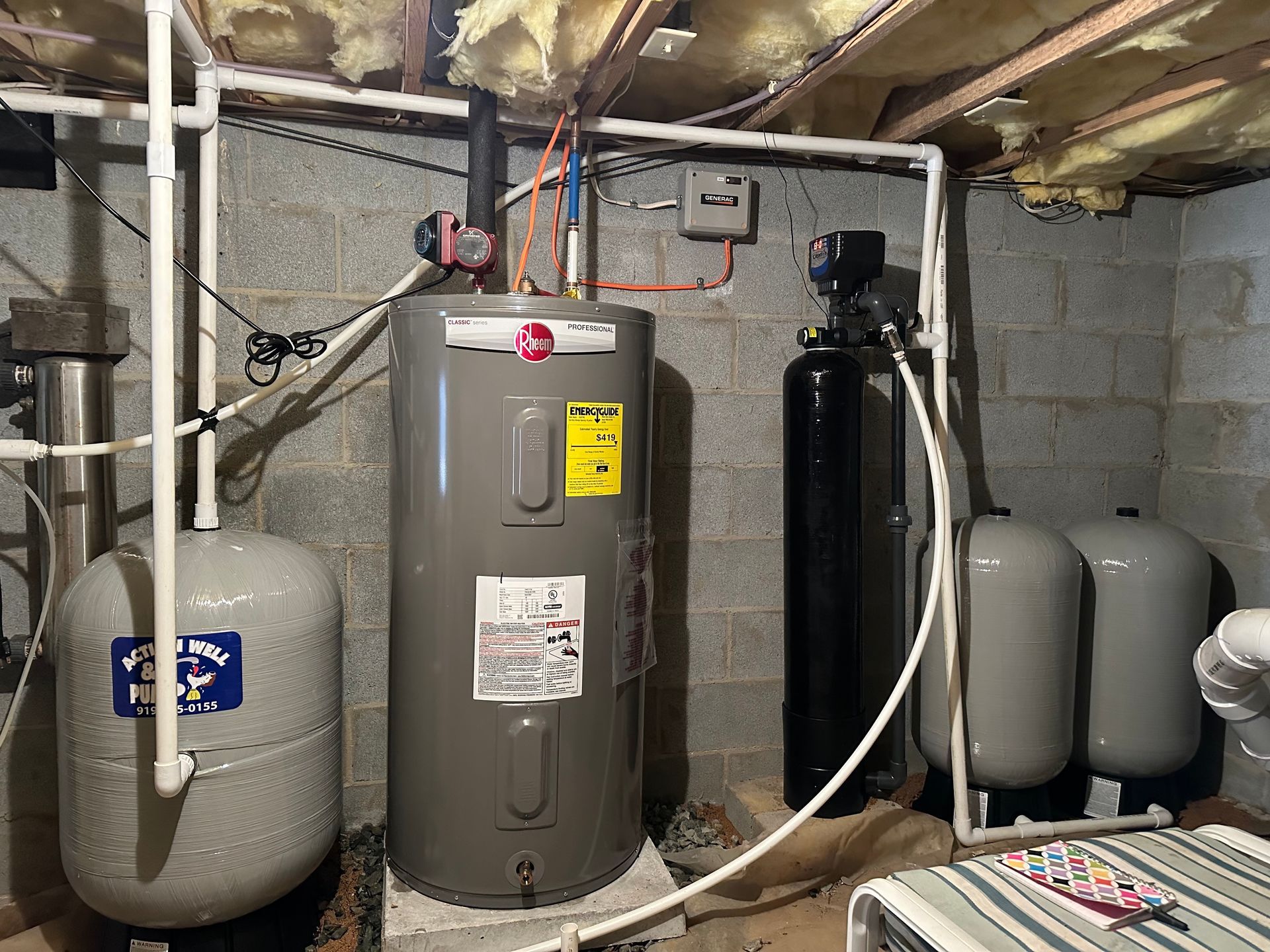
Clean, healthy water plays a central role in everyday life, from drinking and cooking to bathing, cleaning, and maintaining appliances. Concerns about sediment, minerals, odors, and other impurities have encouraged more families to consider filtration as a home improvement. A whole house water filtration system can address these concerns by treating water before it reaches faucets, showers, and appliances. Depending on the type of system, filtration may reduce unwanted tastes, remove visible particles, limit mineral buildup, and create a consistent water supply. As homeowners become more informed about water quality and household maintenance, filtration is increasingly viewed as an investment in comfort, convenience, and property care. Improving Water Taste and Odor One noticeable reason homeowners install filtration equipment is to improve their water’s taste and smell. Private well water can also develop unpleasant smells due to sulfur, iron, organic material, or other naturally occurring elements. A home water filtration system can target the substances responsible for these concerns. Carbon filters are often used to improve taste, while specialized filtration media will address iron or hard water. When well water is clean and clear, household members may feel more comfortable drinking from the tap instead of relying on bottled water. Better-tasting water can also improve food preparation. Coffee, tea, soups, sauces, and other recipes may taste more consistent when the water does not contain strong odors or flavors. This makes filtration valuable beyond drinking water. Reducing Sediment and Visible Impurities Sediment can enter a home’s water supply through aging pipes, well systems, construction activity, or natural groundwater conditions. Sand, rust, silt, and other particles may appear in sinks, tubs, toilet tanks, and drinking glasses. Even when the particles are not dangerous, they can make water look unappealing and raise concerns about quality. Installing a home water filtration system can help capture these materials before they circulate throughout the property. Sediment tanks are designed to trap particles of specific sizes, and they may be used alone or as the first stage in a larger filtration setup. Removing visible impurities can improve water clarity and reduce debris that settles in fixtures. Sediment control may also support other filtration components. By capturing larger particles early, a sediment tank can prevent finer filters from becoming clogged too quickly. This layered approach can make the system operate more efficiently and help homeowners maintain dependable performance. Protecting Plumbing and Appliances Water quality affects more than what comes out of the kitchen faucet. Minerals, sediment, and other substances can accumulate inside pipes, water heaters, washing machines, dishwashers, ice makers, and coffee machines. Over time, buildup may reduce efficiency, restrict water flow, or contribute to premature wear. A properly selected home water filtration system can reduce some materials that cause these problems. For homes with hard water, filtration may be paired with a water softener to address both unwanted contaminants and high mineral levels. The appropriate setup depends on the property’s water source and test results. Reducing buildup can make routine cleaning easier. Homeowners will notice no more spots on glassware, no residue around faucets, and no scaling in shower areas. Supporting Household Health and Comfort Many homeowners invest in filtration because they want greater confidence in the water their families use every day. Water quality can vary based on local infrastructure, private well conditions, seasonal changes, and nearby environmental factors. Testing can identify specific concerns and help determine whether filtration is appropriate. A home water filtration system will get rid of selected contaminants when it is designed and maintained for that purpose. Different systems are certified to address different substances, so homeowners should avoid assuming that one filter removes everything. Professional testing and product selection are important for matching the system to the household’s actual needs. Filtered water may also feel more comfortable for bathing and washing, particularly when the existing supply contains iron, sediment, or strong odors. Some homeowners report that treated water feels more pleasant on their skin and hair. While experiences vary, whole-house filtration treats water at multiple fixtures instead of only at one sink. Simplifying Daily Water Use Convenience is another major factor behind the growing interest in residential filtration. Faucet-mounted filters like an RO system will improve drinking water, but they require filter replacement. A whole-house setup treats water automatically as it enters the property. With a home water filtration system, homeowners can use filtered water for drinking, cooking, bathing, laundry, and cleaning without taking extra steps. Professional installation may also be less disruptive than homeowners expect. A professional like us here at Action Well and Pump can complete the installation of a whole-house water filtration system in just a few hours. The timeline can vary based on plumbing access, system complexity, and property conditions, but all installations are completed in the same day. Did you know? According to HomeAdvisor, a professional can complete the installation of a whole-house water filtration system in a single day. Lowering Dependence on Bottled Water Bottled water can be convenient, but purchasing it regularly creates ongoing costs and storage demands. Cases of water take up space, require transportation, and produce plastic waste. Homeowners who are dissatisfied with tap water may rely heavily on bottled products even when filtration could provide better long-term convenience. A home water filtration system can make tap water more appealing for everyday drinking. When household members feel comfortable filling reusable bottles at home, they may purchase fewer single-use containers. This shift can reduce recurring expenses and make it easier to keep water available for work, school, exercise, and travel. Filtration also allows homeowners to avoid running out of bottled water unexpectedly. Clean-tasting water remains accessible directly from the tap, which can simplify meal preparation and daily routines. Over time, the convenience and reduced purchasing may help offset part of the system’s initial cost. Choosing a System for Long-Term Value The growing popularity of filtration reflects a broader interest in home improvements that offer immediate and lasting benefits. A home water filtration system can improve taste, reduce visible particles, support appliances, and simplify daily water use. However, the value of the investment depends on choosing equipment that fits the property’s specific water conditions. Water testing should be the first step. The results can reveal whether the home has issues with sediment, hardness, iron, sulfur, bacteria, or other substances. A professional can then recommend the appropriate filtration needed. A well-maintained system can provide consistent performance and help homeowners protect their investment. As water quality awareness grows, filtration is becoming a practical choice for households that want more control over an essential resource. The right system will create noticeable improvements throughout the home while supporting comfort, convenience, and responsible water use. Investing in a whole-house water filtration system is one of the best choices you can make to protect your home's plumbing, extend the life of your appliances, and provide your family with safer, clearer, and better-tasting water every single day. From eliminating embarrassing odors and dark sediment to saving money on single-use bottled water, the benefits begin the moment your system is installed. Don't guess when it comes to your home's water quality. Take the first step toward pure, refreshing water throughout your entire house by contacting the experts at Action Well & Pump today. Call us or schedule your professional water test online to find the perfect filtration solution tailored to your home's exact needs!
well services
By Hibu Websites • May 27, 2026
In this article, you can learn why routine professional well services are an important factor for maintaining reliable access to water throughout the year.

Show More →