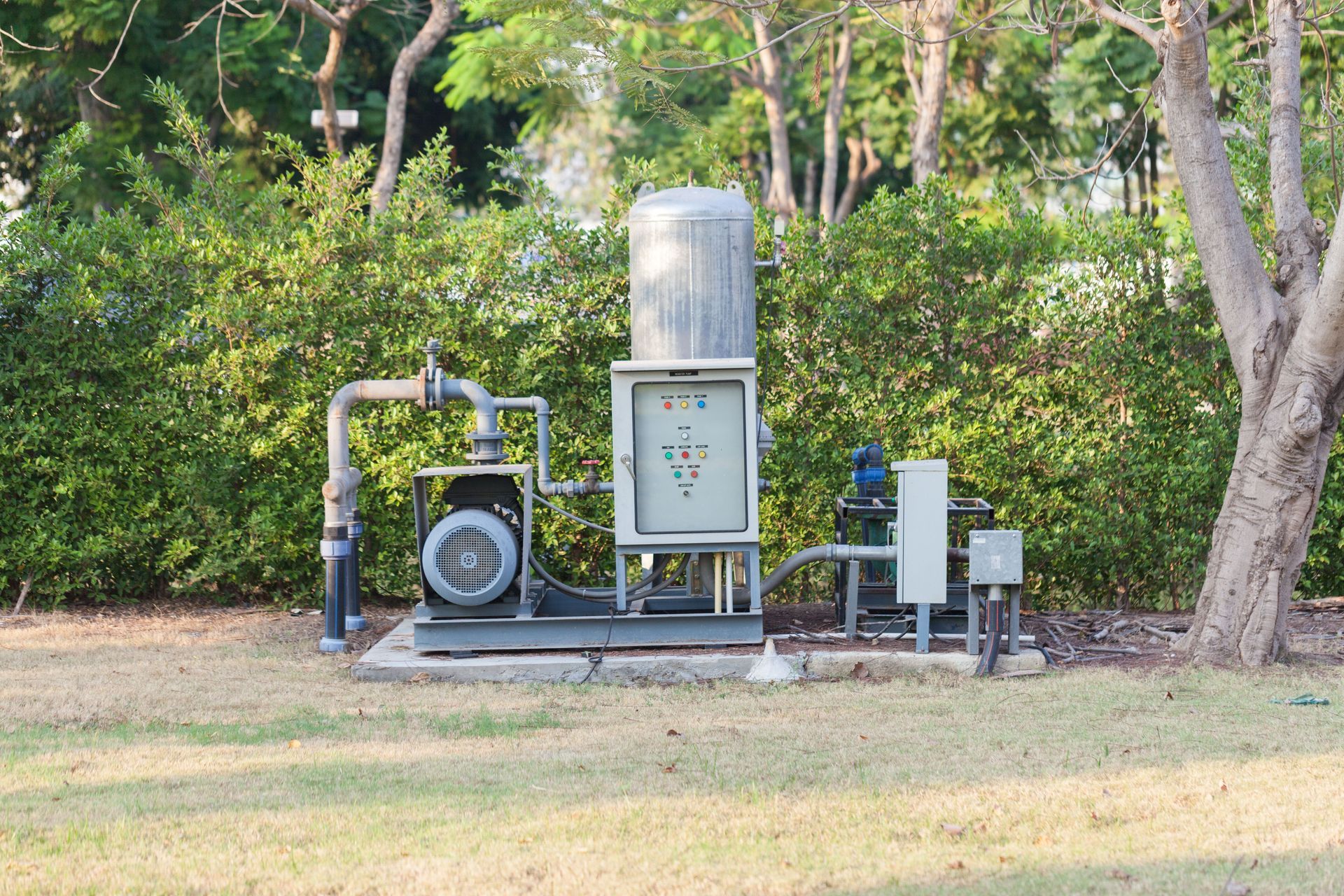
A reliable well pump is essential for maintaining a consistent water supply in homes that depend on private wells. Whether you're washing dishes, doing laundry, or taking a shower, your pump delivers the water your household needs. However, like any mechanical system, well pumps experience wear over time. At Action Well & Pump, we understand the importance of keeping your water system operating efficiently. Professional maintenance, timely well pump repair, and proper installation can prevent unexpected breakdowns and extend equipment lifespan. Understanding how your pump operates and recognizing potential problems can help you make informed decisions. Understanding Different Types of Well Pumps Different well pumps serve different purposes depending on water depth, household demand, and system requirements. Choosing appropriate equipment is essential for reliable performance. Centrifugal Pumps: Understanding Their Applications Centrifugal pumps use rotating impellers to move water through a pumping system. These pumps are generally suitable for shallow-water applications where suction limitations are not a concern. Their straightforward design makes certain maintenance procedures less complicated. However, centrifugal pumps become less effective when water must be lifted from greater depths. Professional evaluation determines whether this equipment is appropriate for your property. Submersible Pumps: Understanding Their Advantages Submersible pumps operate underwater, pushing water upward rather than pulling it from the surface. This design makes them particularly effective for deeper residential wells. Because their motors are sealed and submerged, these pumps provide dependable operation when properly installed. However, sediment exposure, electrical problems, and excessive cycling can cause deterioration. Professional inspections and timely well pump repair help address developing problems before equipment failure. Jet Pumps: Understanding Their Applications Jet pumps use suction and pressure to move water from underground sources. Shallow-well and deep-well configurations accommodate different operating conditions. These systems require appropriate installation, pressure settings, and component selection. Problems involving suction lines, air leaks, or pressure controls can reduce performance. Our team at Action Well & Pump evaluates system requirements and recommends solutions based on your property's water needs. Ensuring Proper Installation for Long-Term Performance Proper installation establishes the foundation for dependable pump operation. Equipment selection, placement, and initial testing influence performance and longevity. Selecting the Appropriate Pump Choosing a pump involves evaluating well depth, available water, household consumption, and required pressure. An undersized pump may struggle to satisfy demand, while an oversized system can experience unnecessary cycling. Both situations contribute to premature component wear. Professional installation ensures equipment specifications match the property's requirements. Establishing Correct Placement and Depth Pump placement affects water delivery and equipment protection. Submersible pumps must be positioned appropriately relative to the well's water level and bottom. Incorrect placement increases sediment exposure or creates operating conditions that strain the motor. Seasonal groundwater fluctuations may also affect performance. Our technicians evaluate these conditions when recommending installation or well pump repair services. Testing System Performance After Installation Once installation is complete, professional testing verifies that the pump operates as intended. Technicians evaluate water pressure, flow rates, electrical performance, and pressure tank operation. They inspect connections and verify that system controls function correctly. Identifying installation problems early prevents repeated service interruptions and unnecessary equipment damage. Protecting Your Pump From Water Quality Problems Water quality influences the performance of components within a private well system. Minerals, sediment, and corrosive conditions contribute to mechanical deterioration. Understanding Mineral Buildup and Corrosion Hard water contains dissolved minerals that accumulate within plumbing components. Over time, mineral deposits may restrict water movement and affect equipment efficiency. Corrosive water can damage metallic components, potentially shortening their lifespan. Professional water testing identifies conditions that may require treatment or additional system protection. Managing Sediment and Contaminants Sand, silt, and other particles accelerate wear on pump components. Excessive sediment may damage impellers, restrict flow, and contribute to premature equipment failure. Although filtration systems protect downstream plumbing and appliances, preventing pump damage requires evaluating sediment conditions within the well itself. When sediment affects pump operation, professional well pump repair may be necessary to restore dependable performance. Evaluating Water Treatment Requirements Water treatment recommendations should reflect testing results rather than assumptions about water quality. Depending on the findings, treatment may address hardness, acidity, iron, or specific contaminants. Properly selected equipment protects household plumbing and improves water quality. At Action Well & Pump, we encourage homeowners to consider water quality as part of comprehensive well system maintenance. Maintaining Your Well Pump Through Professional Inspections Routine maintenance identifies developing problems before they become expensive emergencies. Regular evaluations also provide information about equipment condition and remaining service life. Scheduling Preventive Maintenance Professional inspections include evaluating water pressure, pump performance, electrical connections, and pressure tank operation. Technicians identify worn components, abnormal cycling, or conditions that place unnecessary stress on the system. According to HomeAdvisor, a well pump typically lasts between 8 and 15 years with regular maintenance. Actual service life varies depending on pump type, water conditions, installation quality, and usage. Preventive care and timely well pump repair help homeowners get dependable service from their equipment. Monitoring Pressure and Water Flow Changes in water pressure often provide early indications of system problems. Weak flow, inconsistent pressure, or repeated interruptions may indicate issues involving the pump, pressure tank, controls, or water supply. Rather than assuming the pump has failed, professional diagnostics identify the underlying cause and appropriate corrective action. Replacing Worn System Components Pressure switches, electrical controls, check valves, and other components deteriorate through normal operation. Replacing damaged or worn parts before they cause additional problems protects more expensive equipment. Our technicians evaluate component compatibility and system requirements when recommending replacements, maintaining safe and efficient operation. Recognizing When Professional Repairs Are Necessary Even well-maintained pumps develop mechanical or electrical problems. Recognizing warning signs early reduces disruptions and prevents additional damage. Identifying Common Warning Signs Several symptoms suggest that a well system requires professional attention. These include fluctuating pressure, unusual operating noises, increased electricity consumption, and frequent pump cycling. A complete loss of water may indicate pump failure, electrical problems, or changes in well conditions. Scheduling well pump repair when these symptoms appear prevents minor issues from developing into extensive failures. Responding to Unexpected Breakdowns Losing water unexpectedly disrupts cooking, cleaning, bathing, and other essential household activities. Because well systems combine electrical equipment, pressurized components, and underground infrastructure, repairs should be handled by qualified professionals. At Action Well & Pump, we identify equipment problems and recommend appropriate solutions. Professional diagnostics help avoid unnecessary part replacements and repeated breakdowns. Comparing Repair and Replacement Options Deciding whether to repair or replace a pump depends on its age, condition, repair history, and performance. A relatively new pump with an isolated component failure may be suitable for repair. Older equipment experiencing repeated breakdowns may benefit from replacement. Professional well pump repair assessments help homeowners compare immediate expenses with long-term reliability and operating costs. Improving Efficiency and Extending Equipment Life Efficient operation reduces unnecessary mechanical stress while supporting dependable water delivery. Evaluating Energy-Efficient Equipment Modern pump systems may offer improved motor efficiency, pressure regulation, and operational controls. Variable-speed technology can adjust pump output to match changing water demand when appropriately designed. However, not every property requires advanced equipment. Professional recommendations should consider household consumption, existing infrastructure, and installation costs. Preventing Excessive Pump Cycling Frequent starting and stopping places additional stress on pump motors and electrical components. Pressure tank problems, incorrect control settings, and plumbing leaks contribute to excessive cycling. Addressing these conditions through professional maintenance or well pump repair protects equipment and maintains consistent pressure. Planning for Long-Term Reliability Maintaining service records helps homeowners understand their pump's performance history and anticipate future equipment needs. Documenting inspections, component replacements, and previous repairs provides valuable information during professional evaluations. At Action Well & Pump, we believe proactive maintenance protects your investment in a private water system. Whether your equipment needs routine service, professional diagnostics, or replacement, our team helps you make informed decisions. If you're experiencing inconsistent pressure, unusual pump behavior, or other water system concerns, contact Action Well & Pump for professional well pump repair and dependable service designed to keep your water flowing.
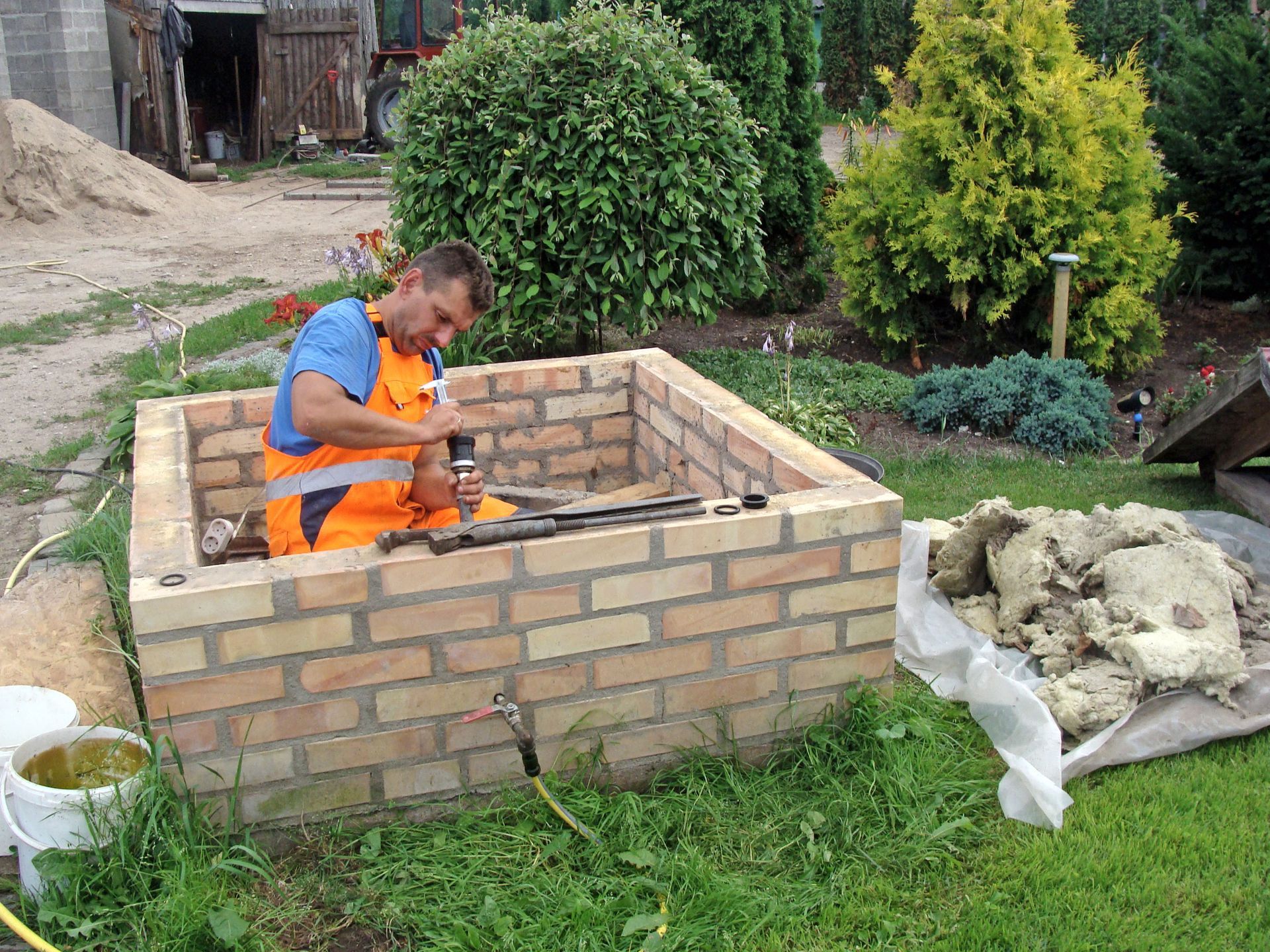
By choosing professional well pump repairs, homeowners gain access to expert knowledge, advanced tools, and financial safeguards.
Discover the benefits of whole house water filters, from better-tasting water and healthier skin to appliance protection and long-term household savings.