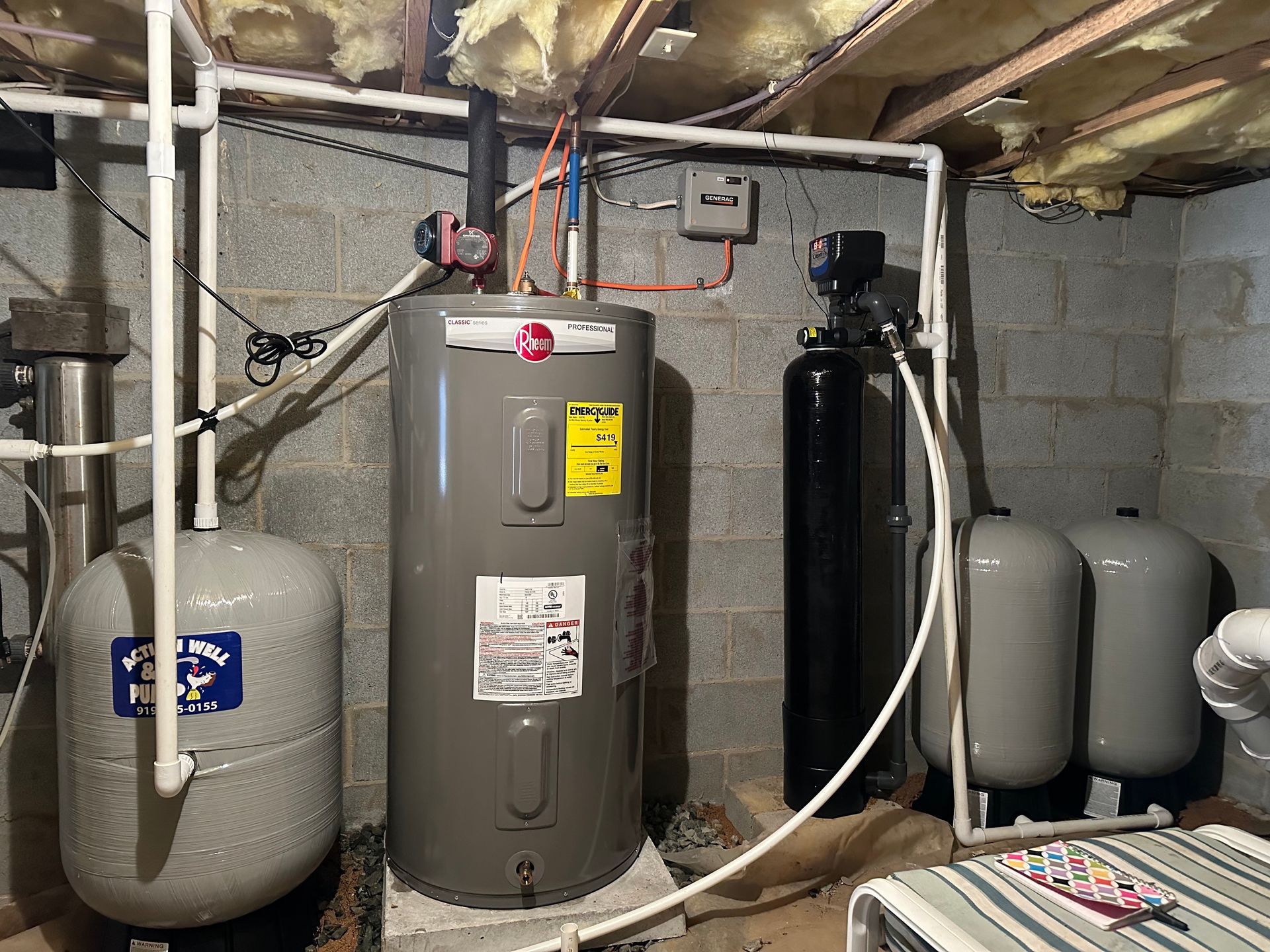
Clean, healthy water plays a central role in everyday life, from drinking and cooking to bathing, cleaning, and maintaining appliances. Concerns about sediment, minerals, odors, and other impurities have encouraged more families to consider filtration as a home improvement. A whole house water filtration system can address these concerns by treating water before it reaches faucets, showers, and appliances. Depending on the type of system, filtration may reduce unwanted tastes, remove visible particles, limit mineral buildup, and create a consistent water supply. As homeowners become more informed about water quality and household maintenance, filtration is increasingly viewed as an investment in comfort, convenience, and property care. Improving Water Taste and Odor One noticeable reason homeowners install filtration equipment is to improve their water’s taste and smell. Private well water can also develop unpleasant smells due to sulfur, iron, organic material, or other naturally occurring elements. A home water filtration system can target the substances responsible for these concerns. Carbon filters are often used to improve taste, while specialized filtration media will address iron or hard water. When well water is clean and clear, household members may feel more comfortable drinking from the tap instead of relying on bottled water. Better-tasting water can also improve food preparation. Coffee, tea, soups, sauces, and other recipes may taste more consistent when the water does not contain strong odors or flavors. This makes filtration valuable beyond drinking water. Reducing Sediment and Visible Impurities Sediment can enter a home’s water supply through aging pipes, well systems, construction activity, or natural groundwater conditions. Sand, rust, silt, and other particles may appear in sinks, tubs, toilet tanks, and drinking glasses. Even when the particles are not dangerous, they can make water look unappealing and raise concerns about quality. Installing a home water filtration system can help capture these materials before they circulate throughout the property. Sediment tanks are designed to trap particles of specific sizes, and they may be used alone or as the first stage in a larger filtration setup. Removing visible impurities can improve water clarity and reduce debris that settles in fixtures. Sediment control may also support other filtration components. By capturing larger particles early, a sediment tank can prevent finer filters from becoming clogged too quickly. This layered approach can make the system operate more efficiently and help homeowners maintain dependable performance. Protecting Plumbing and Appliances Water quality affects more than what comes out of the kitchen faucet. Minerals, sediment, and other substances can accumulate inside pipes, water heaters, washing machines, dishwashers, ice makers, and coffee machines. Over time, buildup may reduce efficiency, restrict water flow, or contribute to premature wear. A properly selected home water filtration system can reduce some materials that cause these problems. For homes with hard water, filtration may be paired with a water softener to address both unwanted contaminants and high mineral levels. The appropriate setup depends on the property’s water source and test results. Reducing buildup can make routine cleaning easier. Homeowners will notice no more spots on glassware, no residue around faucets, and no scaling in shower areas. Supporting Household Health and Comfort Many homeowners invest in filtration because they want greater confidence in the water their families use every day. Water quality can vary based on local infrastructure, private well conditions, seasonal changes, and nearby environmental factors. Testing can identify specific concerns and help determine whether filtration is appropriate. A home water filtration system will get rid of selected contaminants when it is designed and maintained for that purpose. Different systems are certified to address different substances, so homeowners should avoid assuming that one filter removes everything. Professional testing and product selection are important for matching the system to the household’s actual needs. Filtered water may also feel more comfortable for bathing and washing, particularly when the existing supply contains iron, sediment, or strong odors. Some homeowners report that treated water feels more pleasant on their skin and hair. While experiences vary, whole-house filtration treats water at multiple fixtures instead of only at one sink. Simplifying Daily Water Use Convenience is another major factor behind the growing interest in residential filtration. Faucet-mounted filters like an RO system will improve drinking water, but they require filter replacement. A whole-house setup treats water automatically as it enters the property. With a home water filtration system, homeowners can use filtered water for drinking, cooking, bathing, laundry, and cleaning without taking extra steps. Professional installation may also be less disruptive than homeowners expect. A professional like us here at Action Well and Pump can complete the installation of a whole-house water filtration system in just a few hours. The timeline can vary based on plumbing access, system complexity, and property conditions, but all installations are completed in the same day. Did you know? According to HomeAdvisor, a professional can complete the installation of a whole-house water filtration system in a single day. Lowering Dependence on Bottled Water Bottled water can be convenient, but purchasing it regularly creates ongoing costs and storage demands. Cases of water take up space, require transportation, and produce plastic waste. Homeowners who are dissatisfied with tap water may rely heavily on bottled products even when filtration could provide better long-term convenience. A home water filtration system can make tap water more appealing for everyday drinking. When household members feel comfortable filling reusable bottles at home, they may purchase fewer single-use containers. This shift can reduce recurring expenses and make it easier to keep water available for work, school, exercise, and travel. Filtration also allows homeowners to avoid running out of bottled water unexpectedly. Clean-tasting water remains accessible directly from the tap, which can simplify meal preparation and daily routines. Over time, the convenience and reduced purchasing may help offset part of the system’s initial cost. Choosing a System for Long-Term Value The growing popularity of filtration reflects a broader interest in home improvements that offer immediate and lasting benefits. A home water filtration system can improve taste, reduce visible particles, support appliances, and simplify daily water use. However, the value of the investment depends on choosing equipment that fits the property’s specific water conditions. Water testing should be the first step. The results can reveal whether the home has issues with sediment, hardness, iron, sulfur, bacteria, or other substances. A professional can then recommend the appropriate filtration needed. A well-maintained system can provide consistent performance and help homeowners protect their investment. As water quality awareness grows, filtration is becoming a practical choice for households that want more control over an essential resource. The right system will create noticeable improvements throughout the home while supporting comfort, convenience, and responsible water use. Investing in a whole-house water filtration system is one of the best choices you can make to protect your home's plumbing, extend the life of your appliances, and provide your family with safer, clearer, and better-tasting water every single day. From eliminating embarrassing odors and dark sediment to saving money on single-use bottled water, the benefits begin the moment your system is installed. Don't guess when it comes to your home's water quality. Take the first step toward pure, refreshing water throughout your entire house by contacting the experts at Action Well & Pump today. Call us or schedule your professional water test online to find the perfect filtration solution tailored to your home's exact needs!
In this article, you can learn why routine professional well services are an important factor for maintaining reliable access to water throughout the year.

Improve water quality with water softeners in Raleigh, NC. Contact Action Well & Pump at 919-545-0155 today for expert hard water solutions.